
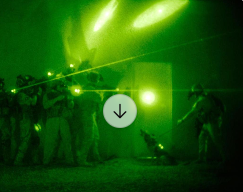
At 11:00 PM… Nobody Outside the White House Knew What Was Happening.
The helicopters lifted off in complete darkness.

No lights.
No public announcement.
No television coverage.
Only a handful of people knew where they were going.
Thousands of miles away, one of the most dangerous military missions in American history had just begun.
Inside the White House Situation Room, senior leaders watched events unfold in real time.
There was no guarantee the helicopters would return.
If the mission failed, it could trigger an international crisis.
The pilots crossed into hostile territory under radio silence.
Every minute increased the risk.

Then…
One helicopter experienced an unexpected problem during the raid.
For a few tense moments, nobody knew whether the operation could continue.
The assault team adapted immediately, completed the objective, and safely evacuated before enemy forces could respond.
The mission lasted less than an hour.
When it was over, the world learned that the United States had carried out one of the most famous special operations in modern history: Operation Neptune Spear.
Military academies still study the raid because it demonstrated the importance of intelligence, planning, adaptability, and teamwork under extreme pressure.
It wasn’t luck.
It was years of preparation by highly trained professionals.