
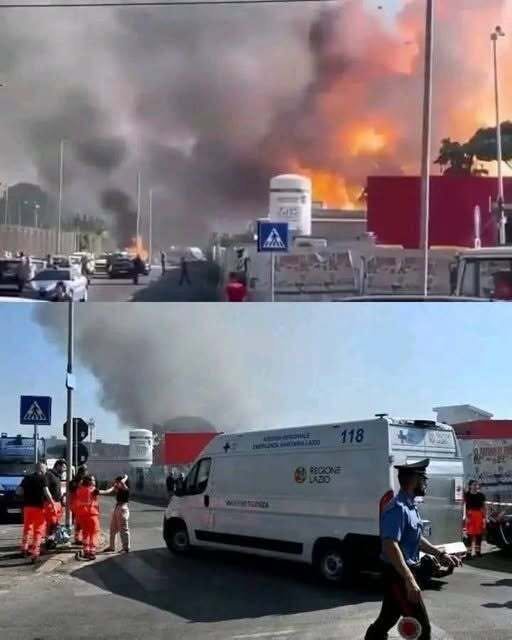
Mexico City LPG Tanker Explosion: A Tragic Highway Disaster Sparks Calls for Stronger Safety Measures
Introduction
A routine morning commute in Mexico City turned into a devastating tragedy when a tanker transporting liquefied petroleum gas (LPG) overturned and exploded along the busy Iztapalapa–Chalco highway. The powerful blast transformed one of the city’s busiest roadways into a disaster zone, causing multiple fatalities, dozens of injuries, and widespread destruction.
The incident has drawn national attention as emergency responders, investigators, and government officials work to understand what caused one of the region’s most significant transportation disasters in recent years. Beyond the immediate loss of life and property damage, the explosion has also renewed discussions about road safety, hazardous material transportation, and the importance of stricter regulatory oversight.
This article provides a comprehensive overview of the incident, its impact on local communities, the emergency response, the ongoing investigation, and the broader safety lessons that may help prevent similar tragedies in the future.
A Typical Morning Changes in an Instant
For thousands of commuters, the Iztapalapa–Chalco highway is an essential transportation route connecting neighborhoods and commercial areas throughout eastern Mexico City. Like many weekdays, traffic was already building during the morning rush hour as workers, students, and delivery vehicles filled the roadway.
Everything changed within moments when an LPG tanker reportedly lost control before overturning on the highway.
Liquefied petroleum gas is widely used for residential cooking, heating, and industrial purposes. Although it is transported safely every day under strict regulations, accidents involving large quantities of LPG can become extremely dangerous because the gas is highly flammable under certain conditions.
Shortly after the tanker overturned, a fire ignited. Witnesses reported seeing flames spread rapidly before a massive explosion occurred.
The force of the blast was powerful enough to be felt in surrounding neighborhoods, startling residents who initially believed an earthquake or another major emergency had occurred.
Eyewitnesses Describe a Scene of Chaos
People who were traveling on the highway described moments of panic as smoke and flames quickly engulfed nearby vehicles.
Drivers abandoned their cars and attempted to reach safer areas on foot while others helped passengers escape from damaged vehicles. Some witnesses recalled hearing several secondary explosions as nearby automobiles caught fire.
Large columns of dark smoke rose high above the city skyline, becoming visible from miles away. Residents living nearby reported hearing a loud explosion that shook windows and buildings.
Videos shared by eyewitnesses showed heavy flames consuming multiple vehicles while emergency responders rushed toward the scene.
Many motorists found themselves trapped by traffic congestion, making evacuation especially difficult during the critical first minutes after the explosion.
Emergency Services Respond
Emergency response teams from multiple agencies were quickly dispatched to contain the fire and assist victims.
Firefighters focused on preventing the blaze from spreading further while specialized hazardous materials teams assessed the remaining risks posed by the damaged tanker.
Paramedics established emergency treatment areas near the accident site to provide immediate medical care before transporting injured individuals to hospitals throughout the city.
Police officers secured the surrounding area, redirected traffic, and helped create access routes for emergency vehicles.
Because of the size of the fire, the response required coordinated efforts from firefighters, civil protection officials, emergency medical personnel, and law enforcement agencies.
Authorities also advised residents living nearby to avoid the area until conditions became safe.
Casualties and Injuries
The explosion resulted in significant loss of life and numerous injuries.
According to official reports released after the incident, multiple people lost their lives, while dozens of others required medical treatment for injuries ranging from burns to smoke inhalation and trauma sustained during the explosion.
Hospitals across eastern Mexico City received many patients within a short period, placing additional pressure on emergency departments and specialized burn treatment units.
Medical teams worked around the clock to stabilize critically injured patients while family members gathered outside hospitals waiting for updates on loved ones.
Officials continued to evaluate victims as rescue and recovery operations progressed.
Damage Beyond the Highway
The explosion affected much more than the vehicles directly involved.
Several nearby buildings experienced structural damage due to the force of the blast. Windows shattered, walls cracked, and businesses temporarily closed while safety inspections were carried out.
Some residents reported feeling vibrations similar to those produced during a moderate earthquake.
Utility services in certain areas were also temporarily interrupted as authorities inspected infrastructure for possible damage.
The highway itself sustained severe damage, requiring extensive cleanup operations before engineers could evaluate whether sections of the roadway needed repairs.
Burned vehicles, debris, and damaged pavement created a challenging environment for recovery crews.
Investigation Underway
Investigators immediately began examining the circumstances surrounding the accident.
As with any major transportation incident, officials are reviewing multiple possible factors rather than reaching conclusions prematurely.
Areas under investigation reportedly include:
- Vehicle maintenance records
- Road conditions at the time of the crash
- Driver actions before the accident
- Possible mechanical failures
- Compliance with transportation regulations
- Cargo safety procedures
Authorities are also reviewing surveillance footage, interviewing witnesses, and examining physical evidence collected from the scene.
Investigations of this scale often require considerable time because experts must carefully analyze technical information before determining the primary cause.
Why Transporting LPG Requires Special Precautions
Liquefied petroleum gas is an important energy source used worldwide. When transported under proper safety standards, it is considered a reliable fuel.
However, because LPG is stored under pressure, accidents involving leaks combined with ignition sources can create dangerous fire conditions.
For this reason, transportation companies typically follow strict safety requirements involving:
- Regular vehicle inspections
- Driver training
- Route planning
- Emergency response procedures
- Equipment maintenance
- Compliance with hazardous materials regulations
Safety experts emphasize that continuous monitoring and enforcement are essential to reduce risks associated with transporting combustible materials through heavily populated areas.
Public Discussion on Road Safety
The tragedy has prompted renewed public discussion regarding hazardous cargo transportation within large metropolitan areas.
Transportation specialists and community representatives have suggested reviewing current regulations to determine whether additional safeguards could improve public safety.
Among the proposals being discussed are enhanced inspection programs, updated emergency response planning, improved driver certification standards, and evaluating alternative routes for vehicles carrying hazardous materials.
Many experts believe that balancing economic efficiency with public safety should remain a central objective when developing transportation policies.
Supporting Victims and Families
Beyond the physical destruction, the emotional impact on affected families and communities is profound.
Local organizations, volunteers, and public agencies have offered assistance to victims, including temporary shelter, counseling services, and financial support programs where available.
Community members have also organized memorial gatherings to honor those who lost their lives and to express solidarity with survivors and first responders.
Recovery from such incidents extends well beyond rebuilding damaged infrastructure. Emotional healing often requires months or even years for individuals directly affected.
Looking Ahead
While investigators continue their work, the explosion serves as a reminder of the importance of transportation safety, emergency preparedness, and regulatory compliance.
The findings from the investigation may influence future policies designed to strengthen hazardous material transportation standards throughout Mexico.
Improving safety systems, investing in infrastructure, and ensuring consistent regulatory enforcement can help reduce the likelihood of similar tragedies in the future.
Although no safety system can eliminate every risk, ongoing improvements based on lessons learned from major incidents play an important role in protecting both transportation workers and the general public.
Conclusion
The LPG tanker explosion on the Iztapalapa–Chalco highway represents one of the most devastating transportation emergencies to affect Mexico City in recent memory.
The incident claimed lives, injured many people, disrupted communities, and raised important questions about hazardous material transportation and public safety.
As authorities continue their investigation, many residents hope the tragedy will lead to meaningful improvements in safety regulations, infrastructure, and emergency preparedness.
Remembering those affected while working toward stronger preventive measures remains an important step in reducing the risk of similar disasters in the future.